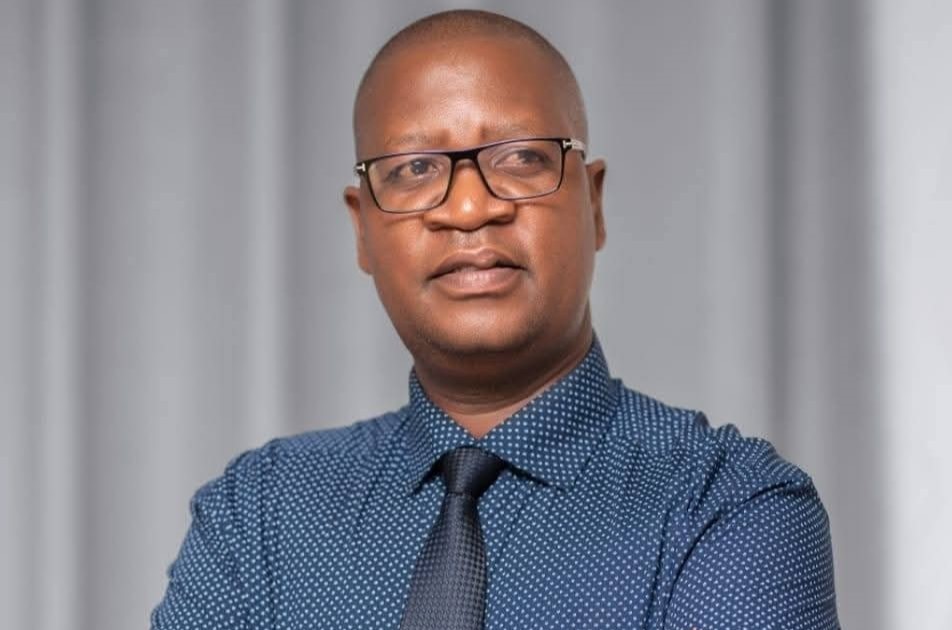
Divisions have rocked the Human Rights Defenders Coalition (HRDC), with a breakaway group calling itself the HRDC Ad-hoc Committee. The group has assessed the Democratic Progressive Party (DPP) government’s first year in office. Staff Writer EDWIN NYIRONGO spoke to the group’s national coordinator, SAMMY AARON, about the divisions and the group’s assessment.
QYou analysed the DPP government’s first year. Did you seek permission from the HRDC leadership?
ANo. We did not seek permission from the group led by Michael Kaiyatsa because the legitimacy and accountability of that leadership are themselves part of the dispute. Until the matter is resolved through agreed governance and legal processes, the ad-hoc committee does not recognise the Kaiyatsa-led group as having an uncontested mandate to authorise or prevent our public work. Our analysis was issued expressly as an assessment by the HRDC Ad-hoc Committee, not as a document approved by the Kaiyatsa-led group.
QWhat exactly is the HRDC Ad-hoc Committee?
AIt is a temporary structure formed by bona fide HRDC members in response to unresolved internal governance concerns. Its focus is leadership accountability, democratic participation, constitutional reform, the convening of an annual general meeting (AGM) and meaningful participation by regional structures. It is not intended to become a permanent parallel institution. Our objective is to see HRDC return to a member-driven governance system in which leadership derives its authority from transparent and democratic processes.
QWould it be fair to call you a rebel group?
AWe do not accept that description. We are bona fide HRDC members using dialogue and lawful processes to challenge what we consider weaknesses in internal governance. We are calling for an AGM, transparent leadership processes, constitutional accountability and stronger member-participation. I am one of the founders of HRDC and was elected at its first General Meeting in 2018 at Ryalls Hotel in Blantyre.
QWhat is the problem with the main HRDC?
AOur concerns are fundamentally about governance, democracy and accountability. We have questioned the prolonged absence of an AGM, the need to review the articles of association to reflect HRDC’s NGO-status, the process through which national leadership obtains or renews its mandate, limited member-participation and the need for constitutional reforms. Our position is that an organisation demanding accountability and transparency from public institutions should demonstrate those principles internally.
QWhere do you get money to run advertisements?
AThe ad-hoc committee’s activities are supported by resources mobilised by its members for lawful advocacy and accountability work. Members come from different civil society and non-governmental organisations and bring different institutional experiences and capacities. Questions about financing are legitimate, and we support transparency. However, claims about who financed a particular advertisement should be supported by evidence. Resources used for our work should be lawful and accountable and should not compromise our independence.
QWhat about claims that you are funded by government?
AWe reject those allegations in the absence of evidence. Engagement with government does not, by itself, amount to government funding or control. Civil society organisations engage government, donors, communities and other stakeholders while maintaining their independence. Civil society must remain independent of government and political parties and should be free to commend, question or criticise public institutions based on evidence.
QHow would you summarise your assessment of DPP’s first year?
AIt has shown an encouraging change in direction. Positive developments include efforts to moderate inflation, improved fiscal discipline, renewed engagement with the IMF and the World Bank, restrained official foreign travel, greater dialogue with civil society and anti-corruption investigations involving politically-connected individuals..However, the recovery remains incomplete. The high cost of living, food insecurity, foreign-exchange shortages, unreliable energy and fuel supplies, debt distress and weaknesses in public services continue to affect Malawians.
QYour tone appears different from that HRDC is known for. Why?
AHuman rights advocacy should not be defined by permanent confrontation with government. It should be based on independence, consistency, evidence and the public interest. When government takes steps that advance rights, accountability or public welfare, civil society should acknowledge them. When it falls short, civil society should speak firmly. Our approach is, therefore, issue-based rather than confrontational.
QWhy has dialogue failed to resolve your differences with the main HRDC?
AIn our view, dialogue has failed because there has been insufficient willingness to reform HRDC’s governance. We believe members should have meaningful opportunities to question leaders and participate in key decisions. A lasting resolution requires genuine commitment to democratic governance, transparency and an AGM where members can freely determine the organisation’s leadership.